The Great Debate
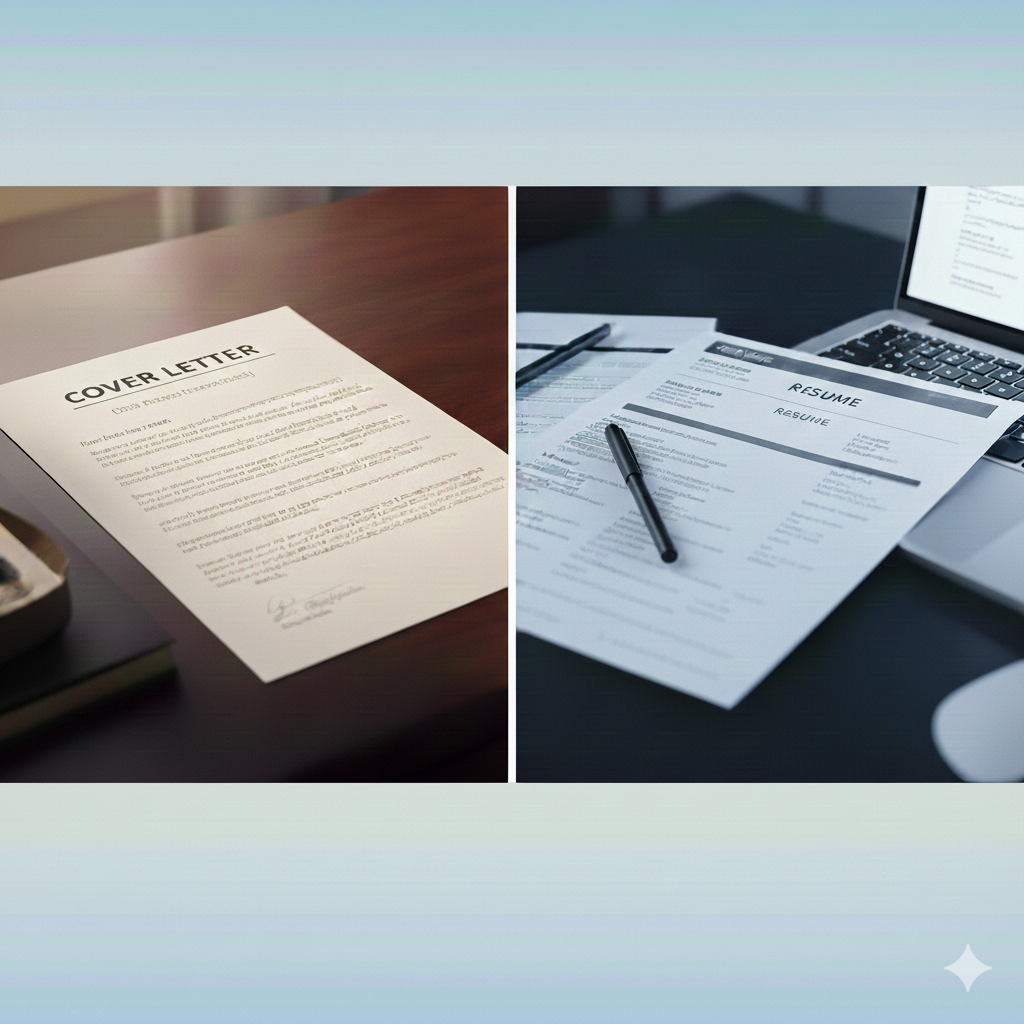
Job seekers often wonder which document deserves more attention: the resume or the cover letter? The answer depends on several factors.
When the Resume Matters Most
Highly Technical Roles
For positions requiring specific technical skills, your resume's skills section and experience take precedence.
ATS-Heavy Applications
Large companies that rely heavily on ATS scanning prioritize resume keywords over cover letters.
When Cover Letters Are Optional
If a cover letter isn't required, employers are signaling that the resume carries more weight.
When the Cover Letter Matters Most
Career Transitions
Cover letters allow you to explain gaps, transitions, and non-linear career paths that resumes can't address.
Creative Industries
Fields like marketing, writing, and design use cover letters to evaluate creativity and communication skills.
Competitive Positions
When many candidates have similar qualifications, a compelling cover letter can differentiate you.
When Specifically Requested
If a job posting emphasizes the cover letter or asks specific questions, take it seriously.
The Ideal Approach
Strong Resume Foundation
Your resume should stand on its own and clearly communicate your qualifications.
Strategic Cover Letters
Write tailored cover letters for positions where they can make a difference, rather than sending generic ones everywhere.
Quality Over Quantity
A few well-crafted applications beat dozens of generic submissions.
Tips for Both Documents
- Customize for each application
- Use consistent formatting and branding
- Proofread thoroughly
- Focus on the employer's needs, not just your wants
The Bottom Line
Both documents serve different purposes. The resume provides facts and figures; the cover letter provides context and personality. Master both to maximize your chances of landing interviews.